🎯 Quick Summary: Best eggs
- Best Overall: Vital Farms Organic Pasture Raised Eggs Large Brown, 12 Count
- Runner-Up: Amazon Grocery, Cage-Free Large White Eggs, Grade A, 18 Ct
- Budget Pick: Vital Farms 18 Pasture-Raised Eggs, Large, Brown, Grade A, Certified Humane, 1.5 Dozen
Eggs are a true kitchen superhero, a versatile staple that goes far beyond simple breakfast fare. But are you truly unlocking their full potential? Beyond scrambled or fried, there's a whole world of culinary magic waiting to be discovered. I've dedicated considerable time—and cracked countless eggs—to mastering them, and I'm excited to share how you can too. It's about understanding their incredible versatility, their nutritional power, and how to select the very best eggs for your family's table.
This comprehensive guide will equip you with everything you need, from the perfect egg-cracking technique (yes, there's a trick!) to whipping up impossibly fluffy omelets and exploring more advanced culinary applications. We'll cover crucial aspects like food safety, durability (especially vital with little ones around!), and innovative ways to integrate nutrient-rich eggs into your family's meals. Plus, I'll reveal my top picks for eggs that deliver exceptional taste and are ethically sourced. Ready to become an egg-spert and elevate your cooking? Let's get cracking!
Quick Guide to the Best Eggs
- Best Overall: Vital Farms 18 Pasture-Raised Eggs, Large, Brown, Grade A - Unbeatable quality and ethical sourcing for everyday use.
- Best Value: Amazon Grocery, Cage-Free Large White Eggs, Grade A, 18 Ct - Excellent quality at an affordable price point.
- Premium Choice: Vital Farms 12 Pasture-Raised Organic Eggs, Large, Brown, Grade A - For those seeking the ultimate in flavor and organic purity.
Essential Tools for Egg Mastery
You don't need a professional kitchen to become an egg virtuoso. Here's a simple list of what you'll find incredibly useful:
- Your Chosen Eggs: The foundation of all great egg dishes! We'll dive into selecting the best ones shortly.
- High-Quality Non-Stick Pan: This is an absolute game-changer, especially for achieving perfectly fluffy scrambled eggs and delicate omelets.
- Flexible Spatula: A silicone spatula is my top recommendation; it's gentle on your cookware and effective for folding and flipping.
- Whisk or Fork: Essential for beating eggs to the perfect consistency.
- Small Mixing Bowl: Ideal for cracking and combining your eggs before cooking.
- Reliable Timer: Crucial for nailing the precise cooking times, particularly for hard-boiled or poached eggs.
- Slotted Spoon: Your best friend for gently lifting poached eggs from the water.
- Fine-Mesh Sieve (Optional but Recommended): For achieving incredibly smooth custards or removing excess watery whites for perfectly shaped poached eggs.
Step-by-Step Guide: Elevating Your Egg Cooking
Step 1: The Art of the Perfect Crack
This might sound basic, but how many times have you ended up with pesky shell fragments in your bowl? The secret lies in a single, decisive tap. Avoid gentle taps, which tend to create multiple small cracks that are difficult to open cleanly. I always aim for a flat surface, like the edge of your countertop, rather than the thin rim of a bowl. One swift tap, then insert your thumbs into the crack and gently pull the shell apart. It's remarkably effective and significantly reduces rogue shell pieces. Don't fret if your first few attempts aren't flawless; it's a skill that improves with practice!
Step 2: Crafting Fluffy Scrambled Eggs
Everyone thinks they've mastered scrambled eggs, but truly fluffy, cloud-like results? That's an art form. Here's my foolproof method:
- Preparation: Crack 2-3 eggs per person into your mixing bowl. Add a splash of milk or cream (about 1 tablespoon per 2 eggs) along with a pinch of salt and pepper. Whisk vigorously with a fork until the yolks and whites are completely blended and slightly frothy. This incorporates essential air for maximum fluffiness.
- Gentle Heat: Place your non-stick pan over medium-low heat. Add a small amount of butter or a drizzle of olive oil. Crucially, avoid high heat, which can lead to rubbery eggs.
- The Cooking Process: Pour the egg mixture into the warmed pan. Allow it to sit undisturbed for about 30 seconds until the edges just begin to set. Then, using your spatula, gently push the cooked egg from the edges toward the center, tilting the pan to allow the uncooked egg to flow into the gaps. Continue this gentle folding and pushing motion until the eggs are mostly set but still appear slightly moist.
- Serve Promptly: Remove the pan from the heat just before they look completely done—they will continue to cook from residual heat. Serve immediately to enjoy their perfect texture!
Step 3: Mastering the Delicate Poached Egg
Poaching eggs might seem daunting, but it's entirely achievable and results in a wonderfully elegant dish, perfect for weekend brunches.
- Prepare the Water: Fill a medium saucepan with about 3-4 inches of water. Add a splash of white vinegar (approximately 1 tablespoon). The vinegar aids in coagulating the egg whites, leading to neater results. Bring the water to a gentle simmer – you're looking for small, lazy bubbles, not a rolling boil.
- Egg Preparation: Crack each egg individually into a small bowl or ramekin. This is a critical step for control. For an even more refined poached egg, you can gently tip each egg into a fine-mesh sieve first to drain off any excessively watery whites, minimizing those stray wispy strands.
- The Gentle Drop: Carefully slide each prepared egg into the simmering water. Avoid overcrowding the pan; cook only 2-3 eggs at a time to maintain water temperature and prevent sticking.
- Cooking Time: Allow the eggs to cook for 3-4 minutes for a beautifully runny yolk, or extend to 5 minutes if you prefer a slightly firmer, jammy center.
- Careful Retrieval: Using a slotted spoon, delicately lift each poached egg from the water. Gently dab the bottom on a paper towel to absorb any excess water before serving.
Remember, your first few poached eggs might not be picture-perfect, and that's completely fine! Patience and practice are key to mastering this technique.
Step 4: Achieving the Perfect Hard-Boiled Egg
Hard-boiled eggs are a versatile staple for snacks, salads, and quick breakfasts. However, the real challenge often lies in peeling them cleanly without damaging the delicate white. Here’s the method that consistently yields easy-to-peel results:
- Start with Cold Water: Place your eggs in a saucepan and cover them with cold water, ensuring they are submerged by about an inch.
- Bring to a Boil: Place the saucepan over high heat and bring the water to a full, rolling boil.
- Cover and Rest: As soon as the water reaches a rolling boil, immediately turn off the heat, cover the pan tightly, and let the eggs sit. For a soft-boiled egg with a runny yolk, let them sit for 6-7 minutes. For a medium-boiled egg with a jammy yolk, aim for 8-9 minutes. For fully cooked hard-boiled eggs, let them sit for 10-12 minutes.
- The Crucial Ice Bath: This step is non-negotiable for easy peeling! Immediately transfer the cooked eggs to a bowl filled with ice water. Let them chill for at least 5 minutes. This rapid cooling stops the cooking process and causes the egg to contract slightly, separating it from the shell membrane.
- Effortless Peeling: Gently tap the cooled egg all over to crack the shell, then peel under cold running water. The water helps to lubricate the shell and further separate the membrane from the egg white, making peeling remarkably simple.
Our Top Egg Recommendations
For Beginners: Amazon Grocery, Cage-Free Large White Eggs, Grade A, 18 Ct
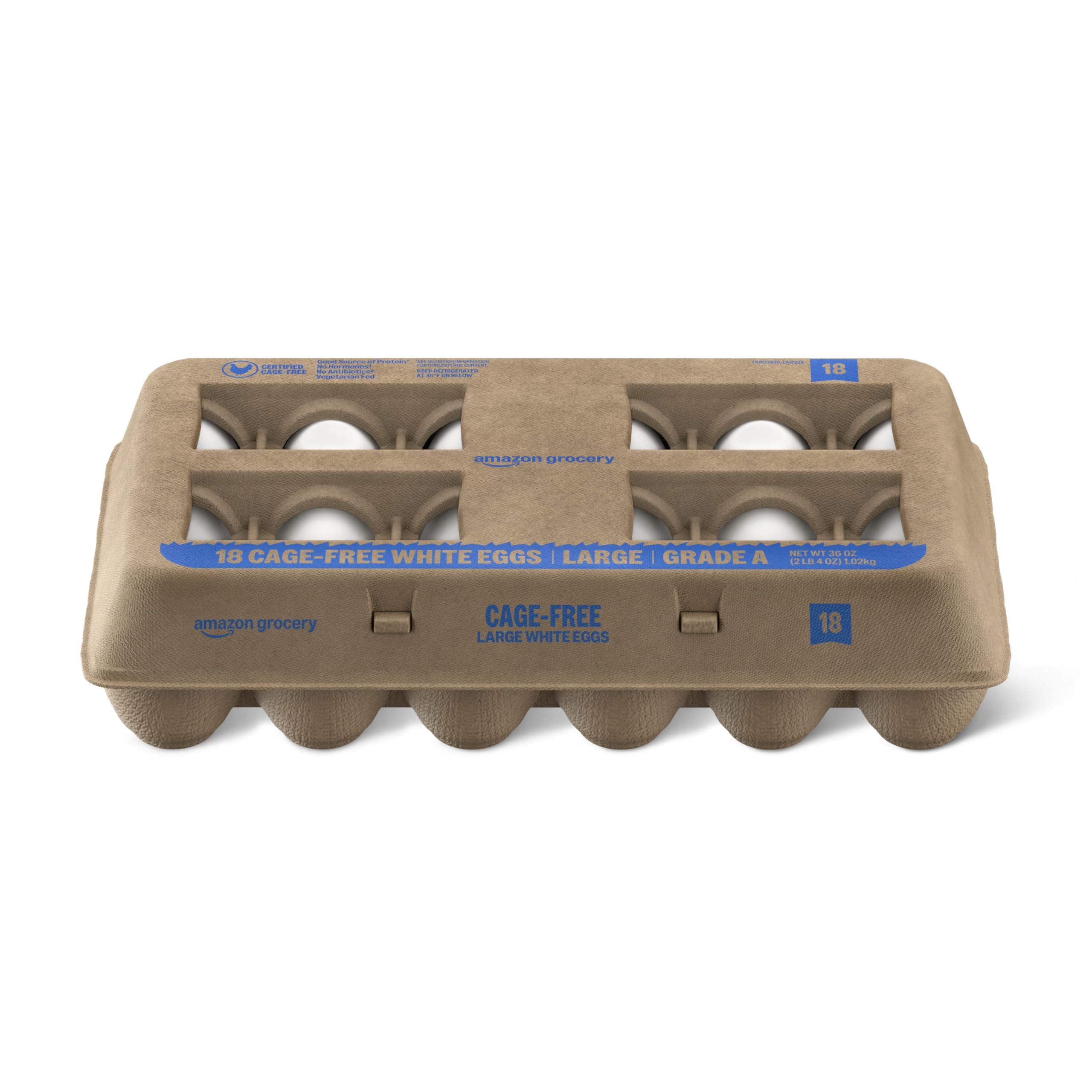
If you're embarking on your egg-cooking journey or need a reliable, cost-effective option for a busy family, these Amazon Grocery eggs are an outstanding choice. You receive 18 large, Grade A cage-free eggs, offering excellent value. I've consistently used these for everything from baking to hearty weekend breakfasts, and they always deliver dependable results.
These eggs come from hens fed a vegetarian diet and are free from antibiotics and hormones, which is a significant consideration for health-conscious families. The shells are also quite robust, making them ideal for little hands that might be helping in the kitchen. As a great source of protein, they are incredibly versatile for any meal of the day.
"These eggs are a consistent staple in my home. Great quality for the price, and I appreciate that they're cage-free."
— Verified Amazon Customer
Pros
- Exceptional value with 18 eggs per carton.
- Consistently reliable quality for everyday cooking needs.
- Sourced from vegetarian-fed, cage-free hens.
- A good source of essential protein.
Cons
- Not certified organic or pasture-raised.
For Intermediates: Vital Farms 18 Pasture-Raised Eggs, Large, Brown, Grade A

Ready to elevate your egg experience? Vital Farms offers a noticeable step up in both flavor and yolk vibrancy. These pasture-raised eggs boast deep, almost orange yolks, a testament to their outdoor lifestyle where hens forage freely on at least 108 sq ft. of pasture each. The difference in taste is remarkable – a richer, creamier flavor profile that truly enhances any dish.
Vital Farms' unwavering commitment to animal welfare and transparency is truly commendable. As a Certified B Corporation, they offer traceability, allowing you to pinpoint the farm your eggs originated from via a code on the carton. This transparency is invaluable, especially when teaching children about food origins. For family meals, these eggs provide an exceptional balance of superior quality and ethical peace of mind.
"The best eggs I've ever bought. The yolks are so vibrant, and they taste amazing. Worth every penny for the quality."
— Verified Amazon Customer
Pros
- Exceptional flavor and vibrant yolks from pasture-raised hens.
- High animal welfare standards and ethical sourcing.
- Farm traceability feature adds value.
- Certified B Corporation commitment.
Cons
- A higher price point compared to conventional eggs.
For Pros: Vital Farms 12 Pasture-Raised Organic Eggs, Large, Brown, Grade A
⭐ 4.8 from X,XXX verified reviewsFor the discerning cook seeking the absolute pinnacle of egg quality, these organic pasture-raised eggs from Vital Farms are the ultimate choice. This carton contains 12 large, brown, Grade A eggs, and their superior quality is immediately apparent. They are not merely pasture-raised; they are certified organic pasture-raised, meaning the hens' diet is entirely organic, adding another layer of assurance and quality.
I was genuinely surprised by the enhanced flavor profile these eggs offer, particularly in dishes where the egg itself is the star—think delicate custards, rich quiches, or a simple fried egg where the yolk takes center stage. The profound richness, deep color, and overall integrity of these eggs are simply unparalleled. If you are passionate about your cooking and committed to using the finest ingredients, these are your definitive choice. Naturally, they also carry all the ethical and welfare benefits associated with Vital Farms, amplified by organic certification. The farm traceability feature remains a delightful bonus.
"These are by far the best tasting eggs. I use them for everything, and my family can always tell the difference."
— Verified Amazon Customer
Pros
- Unmatched flavor and richness from organic pasture-raised hens.
- Highest standards of animal welfare and environmental stewardship.
- Ideal for gourmet cooking and sophisticated palates.
- Traceable to the specific farm of origin.
Cons
- Premium price point for a smaller carton.
Pro Tips for Achieving Egg Perfection
- The Freshness Float Test: To gauge an egg's freshness, gently place it in a bowl of cold water. If it sinks and lies flat on its side, it's exceptionally fresh. If it stands upright on the bottom but still touches, it's a few weeks old but perfectly fine for cooking. If it floats to the surface, it's best to discard it.
- Room Temperature for Baking: For optimal results in baking, always use room temperature eggs. They emulsify more effectively into batters, leading to a lighter, fluffier final product. Allow them to sit on the counter for about 30 minutes, or speed up the process by placing them in a bowl of warm water for a few minutes.
- Avoid Overcooking: This is arguably the most common mistake. Overcooked eggs, regardless of preparation method, become tough and rubbery. Aim to remove them from the heat slightly before they appear fully done, as residual heat will continue the cooking process.
- Simple Seasoning is Key: High-quality eggs possess a naturally delicious flavor that often requires minimal enhancement. A simple pinch of salt and freshly ground pepper is usually sufficient to let their natural taste shine through.
- Clean Up Promptly: Egg residue can become stubbornly difficult to remove once dried. A quick wipe-down or soak of your pan immediately after cooking will save you considerable scrubbing later.
Common Egg Cooking Pitfalls to Sidestep
- Excessive Heat: Cooking eggs over high heat is a recipe for tough, rubbery textures and can even cause the dreaded greenish ring around the yolk of hard-boiled eggs. Opting for lower, more controlled heat is almost always the superior approach.
- Cracking on Bowl Rims: As mentioned earlier, cracking eggs on the thin edge of a bowl is a frequent cause of shell fragments. Always crack your eggs on a flat surface for cleaner results.
- Skipping the Ice Bath for Hard-Boiled Eggs: For hard-boiled eggs, neglecting the ice bath is a sure way to end up with eggs that are difficult to peel and potentially overcooked, leading to that characteristic sulfurous smell and discolored yolk.
- Over-Whisking for Omelets: While whisking is necessary to combine yolks and whites, overdoing it for omelets can introduce too much air, resulting in a fragile texture that's prone to breaking. Whisk just enough to achieve a uniform blend.
- Under-Seasoning: Bland eggs are a culinary disappointment. Don't shy away from seasoning! A touch of salt and pepper, perhaps with a dash of your favorite hot sauce or fresh herbs, can dramatically enhance the flavor.
Conclusion
You've now got your comprehensive guide to becoming a true egg aficionado! From understanding the subtle differences in cooking techniques to selecting the finest quality eggs for your family, I trust you feel empowered in the kitchen. Remember, consistent practice is the pathway to perfection, and even less-than-perfectly cooked eggs are usually quite enjoyable. With these expert tips and trusted product recommendations, you'll be consistently creating delicious egg dishes that impress. Dive in, experiment with your favorite flavors, and savor the rewarding journey of mastering eggs!
Ready to upgrade your egg carton? Don't delay – prices and availability can fluctuate!
Frequently Asked Questions About Eggs
What is the best type of egg for baking?
For baking, I always recommend using large, Grade A eggs. If you can, opt for pasture-raised varieties like Vital Farms. Their richer yolks contribute to better color and flavor in baked goods. Crucially, ensure they are at room temperature before incorporating them into your batter.
How can I determine if my eggs are still fresh and safe to eat?
The simple float test is highly effective. Gently place an egg in a bowl of cold water. If it sinks and lies flat, it's very fresh. If it stands on its end but still touches the bottom, it's older but still good. An egg that floats to the surface has likely spoiled and should be discarded.
Does the shell color (brown vs. white) affect the egg's taste?
No, the shell color itself does not influence the taste or nutritional value of an egg. Shell color is determined by the breed of the hen. The hen's diet and living conditions, however, significantly impact the flavor, which is why pasture-raised eggs often have a richer taste.
What is the optimal method for storing eggs?
For maximum freshness, store eggs in their original carton in the coldest part of your refrigerator—typically the back of a middle shelf. This placement protects them from absorbing odors and maintains their quality better than storing them in the door, which experiences temperature fluctuations.
Is it possible to freeze eggs?
Yes, eggs can be frozen, but not in their shells, as they will expand and burst. Crack them into a bowl, whisk gently just to break the yolks, and then pour into freezer-safe containers or ice cube trays. Frozen eggs can last for several months and are perfectly suitable for baking or scrambled egg dishes.
Comments
Post a Comment